 Back to resources



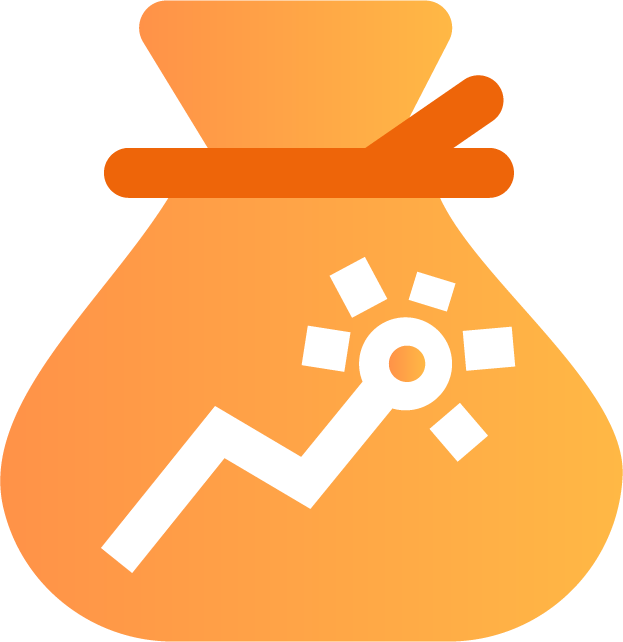




Seeing where your money really goes is often the first step toward keeping more of it.
Not all money is treated the same — especially when it comes to tax.
This simple framework helps clarify how different types of income are taxed, so you can make smarter decisions about where your wealth flows and where it settles over time.
Think of income as moving through four different “bags.”
Each one carries a very different tax outcome.
Bag #1 — Earned & Interest Income Taxed up to 53%
This is the heaviest bag.
It includes employment income, interest from investments like bonds, GICs, mortgages, rental income, bank deposits — as well as pension income and RRSP or RRIF withdrawals.
In Ontario, this income can be taxed at a combined federal and provincial rate of up to 53%.
This is where many people unknowingly lose the greatest share of what they’ve built.
Bag #2 — Dividend Income Taxed at 32%
This bag is lighter.
Eligible dividends from companies such as banks, utilities, and insurance firms benefit from the dividend tax credit.
Because the company pays a portion of the tax before the income reaches you, the effective tax rate is reduced — often to around 32%.
It’s a more efficient way to receive income without increasing complexity.
Bag #3 — Capital Gains Taxed at 27%
This bag rewards growth.
Capital gains apply to assets like public and private shares and real estate.
Only a portion of the gain is taxable when the asset is sold or deemed disposed, resulting in an effective tax rate of approximately 27%.
This is where long-term appreciation starts to work in your favour.
Bag #4 — Interest Payable Taxed at 4%
This is the least understood and often the most powerful bag.
When eligible assets are used as collateral to access a line of credit or loan, the funds borrowed are not considered income and are not reported as taxable earnings.
The interest paid on the loan is simply the cost of access — often around 4% — and can be tax-deductible depending on how the funds are used.
This bag introduces flexibility, leverage, and strategic control.
Why This Matters
Most people focus on how much they earn.
Strategic thinkers focus on which bag their money lands in.
When you understand how these bags work together, you can intentionally shift wealth toward lighter tax outcomes, improve efficiency, and create a clearer path forward.