


When the fog lifts on fees and incentives, progress becomes much easier to see.
In every business, including your own financial life, there are only two roles money can play: It either builds value or it drains it.
High-performing environments understand this instinctively, whereby talent is evaluated, costs are questioned, and outcomes matter. Investing should be no different.
Yet many successful individuals default to traditional brokerage relationships without ever asking a fundamental question: Who is this structure really working for?
The Traditional Brokerage Model
Most bank-managed portfolios come with annual fees of 1% to 2% of total assets.
As portfolios grow, so do those costs — automatically.
Consider this scenario:
A $1 million portfolio managed at 2% results in $20,000 per year in fees, plus tax.
In return, investors typically receive:
- Research and recommendations
- Buy and sell execution
- Performance that may track — or underperform — major indices
All while:
- Fees rise as assets rise
- Certain kinds of trading activity can increase tax exposure
- Incentives that conflict with the portfolio manager’s choices towards in-house assets
- Advice is tied to institutions with their own priorities
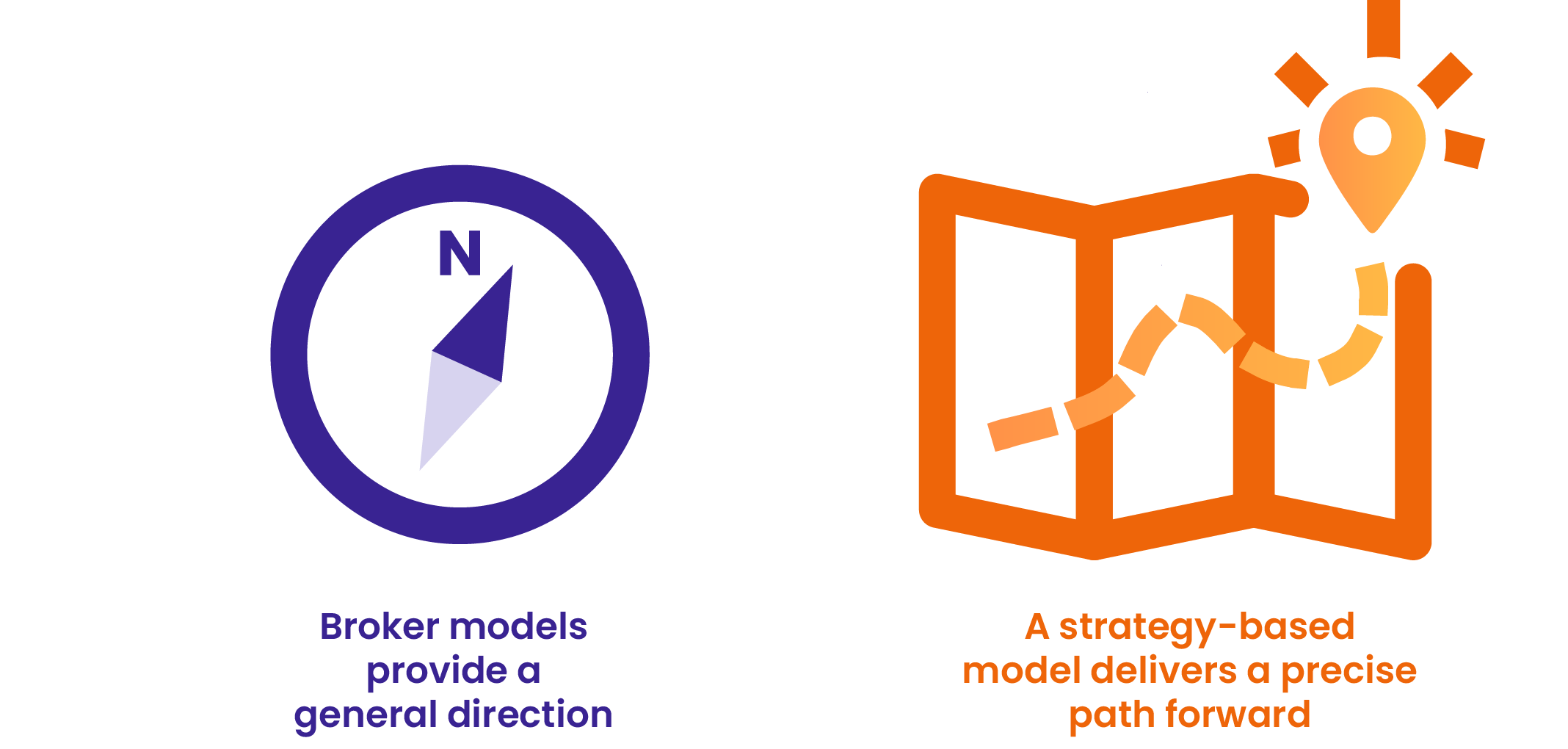
A Different Way Forward
An alternative approach shifts the focus from product sales to strategy and alignment.
Instead of paying percentage-based fees:
- Assets are transferred to a discount brokerage platform
- Investments are held in quality companies, no-load funds, or ETFs
- A consultant is engaged for strategic planning, not commissions
Key advantages:
- Consultant fees are flat and often tax-deductible
- Trading costs are minimal
- Long-term positions are preserved
- Statements, custody, and CIPF coverage remain with the bank
- Interests are aligned — advice without hidden incentives
Registered accounts transfer tax-free.
Non-registered accounts require careful planning to manage tax implications, done thoughtfully, not reactively.
This strategy isn’t about abandoning structure. It’s about removing friction.
When advice is independent, and costs are transparent, your capital moves with more intention and fewer hidden costs along the way.